



| Approach | Dose | Notes |
|---|---|---|
| Daily maintenance (recommended) | 3–5g per day | Muscle creatine stores gradually increase and typically reach near-saturation after approximately 3–4 weeks |
| Loading protocol (optional) | 20g per day for 5–7 days, then 3–5g maintenance | Muscle stores may saturate more rapidly, with effects often apparent within the first week |
Creatine is one of the most extensively researched ingredients in sports nutrition. Naturally produced by the body and found in small amounts in foods such as red meat and fish, it plays an important role in the rapid production of cellular energy, particularly during short bursts of intense physical activity.
Over the past three decades, research has consistently shown that creatine monohydrate supplementation may support strength, power output, exercise performance and recovery when combined with regular training. More recently, interest has expanded beyond athletes, with researchers exploring the role creatine may play in supporting healthy ageing, muscle function and physical performance throughout adulthood.
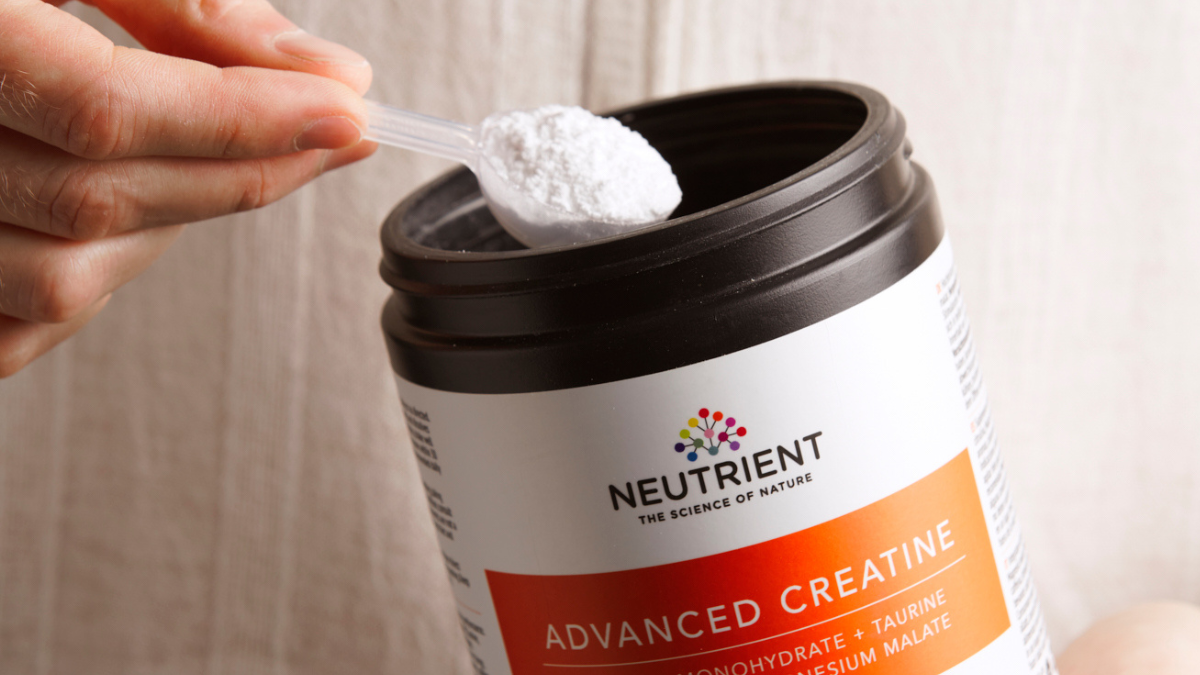
Despite its strong evidence base, many creatine products contain only a single ingredient. Neutrient Advanced Creatine takes a broader approach, combining micronised 200-mesh creatine monohydrate with citrulline malate, taurine and magnesium malate. Each ingredient has been selected for its complementary role in supporting exercise performance, energy metabolism, muscle function and recovery.

What is creatine?
Creatine is a naturally occurring compound found throughout the body, particularly in skeletal muscle, where it plays an important role in energy production. It is made from the amino acids glycine, arginine and methionine and is involved in the rapid regeneration of ATP (adenosine triphosphate), the body's primary energy currency.
Around 95% of the body's creatine is stored in skeletal muscle, primarily as phosphocreatine, with the remaining 5% in the heart and brain. During rest, phosphocreatine stores are replenished; when physical activity suddenly increases, phosphocreatine can be called upon almost immediately to help regenerate ATP.
The body naturally produces around 1–2g of creatine daily, primarily in the liver. The remainder comes from food — almost exclusively from animal-derived sources such as red meat and oily fish. People following vegetarian or vegan diets generally have lower creatine stores.
What matters most is consistency. Creatine works by gradually increasing muscle phosphocreatine stores over time. Regular daily use is generally considered more important than precise timing or cycling protocols.
Creatine and plant-based diets
Because creatine is found almost exclusively in animal-derived foods, individuals following vegetarian or vegan diets typically consume little or no dietary creatine. Research has consistently shown that vegetarians and vegans tend to have lower baseline muscle creatine stores than meat eaters. The response to supplementation is often greatest in those starting with lower levels, making creatine monohydrate particularly effective for plant-based individuals. Neutrient Advanced Creatine is suitable for both vegetarians and vegans — the creatine monohydrate is synthetically produced and contains no animal-derived ingredients.

Food sources of creatine
While the body produces creatine and it can be obtained through food, dietary amounts are typically insufficient to saturate muscle stores. To match a standard 5g supplement serving, you would need approximately 250–500g of raw beef or herring daily. For vegetarians and vegans, achieving meaningful creatine intake through diet is even more challenging because plant foods contain virtually no creatine.
| Food source | Creatine (per 100g) | Notes |
|---|---|---|
| Beef (raw) | 1.0–2.0g | One of the richest natural sources |
| Herring (raw) | 1.0–1.5g | High content; less commonly consumed |
| Salmon (raw) | ~1.0g | Excellent source, also rich in omega-3s |
| Pork (raw) | 0.4–1.0g | Varies by cut |
| Chicken (raw) | ~0.4g | Lower than red meat or oily fish |
| Tuna (raw) | 0.4g | Useful source for fish-eaters |
| Eggs and dairy | Negligible | Not reliable dietary sources of creatine |
| Plant foods | None | Vegetables, grains and legumes contain no creatine |
Potential benefits of creatine
The benefits of creatine have been studied extensively across a wide range of populations, from elite athletes and recreational exercisers to older adults. While creatine is best known for supporting strength and exercise performance, research suggests its effects may extend to muscle maintenance, recovery and energy metabolism. Creatine is not a shortcut to results — it works by supporting the body's natural energy systems.


What makes Advanced Creatine different?
Many creatine supplements contain only creatine monohydrate. While creatine remains the foundation of this formula, Neutrient Advanced Creatine takes a broader approach by combining creatine with carefully selected complementary ingredients that support exercise performance, muscle function, energy metabolism and recovery.
The Advanced Creatine formula
Each ingredient has been selected for its specific role in supporting exercise performance, energy metabolism, muscle function and recovery. The formula combines four active ingredients in one convenient powder serving.
| Ingredient | Amount per serving | Role |
|---|---|---|
| Creatine monohydrate 200 mesh | 5g | Micronised creatine for superior solubility. Replenishes phosphocreatine stores for rapid ATP regeneration during high-intensity activity. |
| Citrulline malate | 1g | Supports nitric oxide production for enhanced blood flow, promotes ATP production via the Krebs cycle and may help reduce post-exercise muscle soreness. |
| Taurine | 1g | Supports muscle contraction, electrolyte balance, antioxidant protection and post-exercise recovery. One of the most concentrated amino acids in skeletal muscle. |
| Magnesium malate | 30mg | Contributes to normal muscle function, reduction of tiredness and fatigue, protein synthesis and electrolyte balance. Malic acid plays a direct role in the Krebs cycle. |
Creatine monohydrate 200 mesh
The gold standard form of creatine, micronised to a 200-mesh particle size for excellent mixability, reduced grittiness and a smoother drinking experience. Research continues to support creatine monohydrate as the most extensively studied and widely used form available.
Citrulline malate: blood flow and performance
Citrulline is converted into arginine, which produces nitric oxide to help regulate blood vessel dilation during exercise. Research suggests it may support exercise performance, muscular endurance, training volume and perceived recovery following exercise.
Taurine: muscle function and recovery
One of the most abundant amino acids in the body, concentrated in skeletal muscle. Involved in cellular hydration, electrolyte balance, muscle function, exercise recovery and antioxidant defence. Emerging research suggests it may support exercise capacity and recovery when combined with structured training.
Magnesium malate: energy and muscle function
An essential mineral involved in hundreds of enzymatic reactions. Contributes to normal muscle function, energy metabolism, electrolyte balance, protein synthesis and reduction of tiredness and fatigue. Physically active individuals may have increased requirements due to losses through sweat.
Why a powder?
Powder allows meaningful amounts of creatine and supporting ingredients to be delivered in a single serving, with flexibility to adjust serving sizes, mix with water, juice or protein shakes, and incorporate supplementation easily into daily routines. Capsule-based products often require multiple capsules per serving to achieve an effective daily intake.

Who is Advanced Creatine for?
Neutrient Advanced Creatine is designed for anyone who wants to perform, recover and feel better. It is particularly well suited for:
• Strength and resistance trainers looking to support strength, power output and training performance
• Endurance athletes — runners, cyclists and others looking to support recovery and training capacity
• Team sport athletes involved in sports requiring repeated bursts of high-intensity effort
• Active adults seeking to support muscle function, physical performance and active living as they age
• Vegetarians and vegans who consume little or no dietary creatine and typically have lower baseline stores
• Women during and after midlife experiencing age-related changes in muscle mass, strength or exercise capacity

How to take Advanced Creatine
Mix one serving (approximately 8g) with 200–300ml of water, juice or your preferred beverage. Stir or shake well. Take once daily, preferably after exercise or with a meal. On rest days, take at any convenient time.
After exercise
Several studies suggest post-exercise may offer a small advantage, particularly with resistance training, as muscles may be more receptive to nutrient uptake following training
With food
Taking creatine alongside a meal may support uptake into muscle cells, particularly when carbohydrates are present
Loading phase
If using a loading protocol (20g/day for 5–7 days), divide into four 5g servings throughout the day for comfort. A loading phase is optional — 3–5g daily reaches similar levels over 3–4 weeks
Rest days
Take at any convenient time — the priority is maintaining muscle saturation rather than immediate effect
Consistency matters
Daily use is more important than precise timing. Creatine works by gradually increasing muscle phosphocreatine stores. Regular supplementation maintains elevated levels over time

Is creatine safe?
Creatine is among the most extensively researched dietary supplements available, with decades of scientific investigation supporting its safety when used appropriately in healthy individuals. Numerous reviews and position statements from scientific organisations have concluded that creatine monohydrate is generally safe when consumed at recommended levels.
Some individuals may experience mild digestive discomfort if large amounts are consumed at once. Dividing servings throughout the day, particularly during a loading phase, may help minimise this.
Common myths about creatine — kidney damage, dehydration, the need to cycle, and hair loss — are not supported by current evidence. An increase in creatinine does not indicate kidney damage. Creatine increases water content in muscle cells rather than causing dehydration. There is no established need for cycling. And current reviews have not established a cause-and-effect relationship between creatine and hair loss.
Disclaimer
Food supplements are not a substitute for a varied diet and healthy lifestyle. Consult a healthcare professional before use if you have a pre-existing kidney condition, are pregnant, breastfeeding or taking medication. Not suitable for use by those under 18 without medical advice.
References
1. Kreider RB et al. International Society of Sports Nutrition position stand: safety and efficacy of creatine supplementation in exercise, sport, and medicine. J Int Soc Sports Nutr. 2017;14(1):18.
2. Jagim AR et al. Safety of creatine supplementation in active adolescents and youth: a brief review. Front Nutr. 2018;5:115.
3. Kreider RB et al. Safety of creatine supplementation: analysis of the prevalence of reported side effects in clinical trials and adverse event reports. J Int Soc Sports Nutr. 2025;22(Suppl 1).
4. Forbes SC, Candow DG. Timing of Creatine Supplementation and Resistance Training: A Brief Review. J Exercise Nutr. 2018;1(15):1-6.
5. Ribeiro F et al. Timing of Creatine Supplementation around Exercise: A Real Concern? Nutrients. 2021;13(8):2844.
6. Cooper R et al. Creatine supplementation with specific view to exercise/sports performance: an update. J Int Soc Sports Nutr. 2012;9:33.
7. Antonio J, Ciccone V. The effects of pre versus post workout supplementation of creatine monohydrate on body composition and strength. J Int Soc Sports Nutr. 2013;10:36.
8. Antonio J et al. Common questions and misconceptions about creatine supplementation: what does the scientific evidence really show? J Int Soc Sports Nutr. 2021;18:13.
9. Gough LA et al. A critical review of citrulline malate supplementation and exercise performance. Eur J Appl Physiol. 2021;121(12):3283-3295.
10. Waldron M et al. Taurine in sports and exercise. J Int Soc Sports Nutr. 2021;18:39.
11. de Baaij JHF et al. Magnesium in man: implications for health and disease. Physiol Rev. 2015;95(1):1-46.


